A migration expert has identified Nigeria’s extensive and porous borders as a major obstacle to effective migration governance, border security, and data collection in the country.
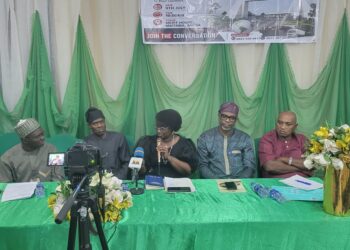
Speaking at the National Migration Conversation held in Abuja on July 9th, 2026, Prof Adeyinka Adeniji of the Department of International Relations, University of Abuja, said the sheer size of Nigeria’s borders makes comprehensive management extremely difficult.
Reeloing out authoritative Nigeria Border statistics that make effective border management difficult, Prof Adeniji provided a breakdown of Nigeria’s international boundaries:
According to him, Nigeria’s border with Benin Republic is 773km; Niger Republic is 1,497km; Chad, 87km; Cameroon, 1,690km
and Atlantic Coast of Guinea is 850km- bringing Nigeria’s total land and coastal border to over 4,000 kilometers.
Prof Adeniji noted that with such vast borders, irregular migration, human trafficking, and smuggling remain significant challenges requiring coordinated regional solutions, better technology, and improved data systems.
“We can not talk about safe and regular migration without addressing how we monitor and manage these entry and exit points. This is where government, IOM, and other partners must invest”, he added.
Participants at the conversation agreed on the need to strengthen inter-agency collaboration, deploy technology for border surveillance, and improve migration data to inform policy.
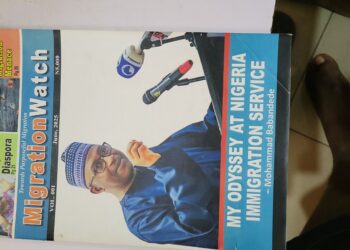
Migrationwatch Magazine, the convener of the National Conversation, says it will continue to highlight data and expert analysis like this through its upcoming weekly program, Migrationwatch Live, to promote informed public debate on migration.