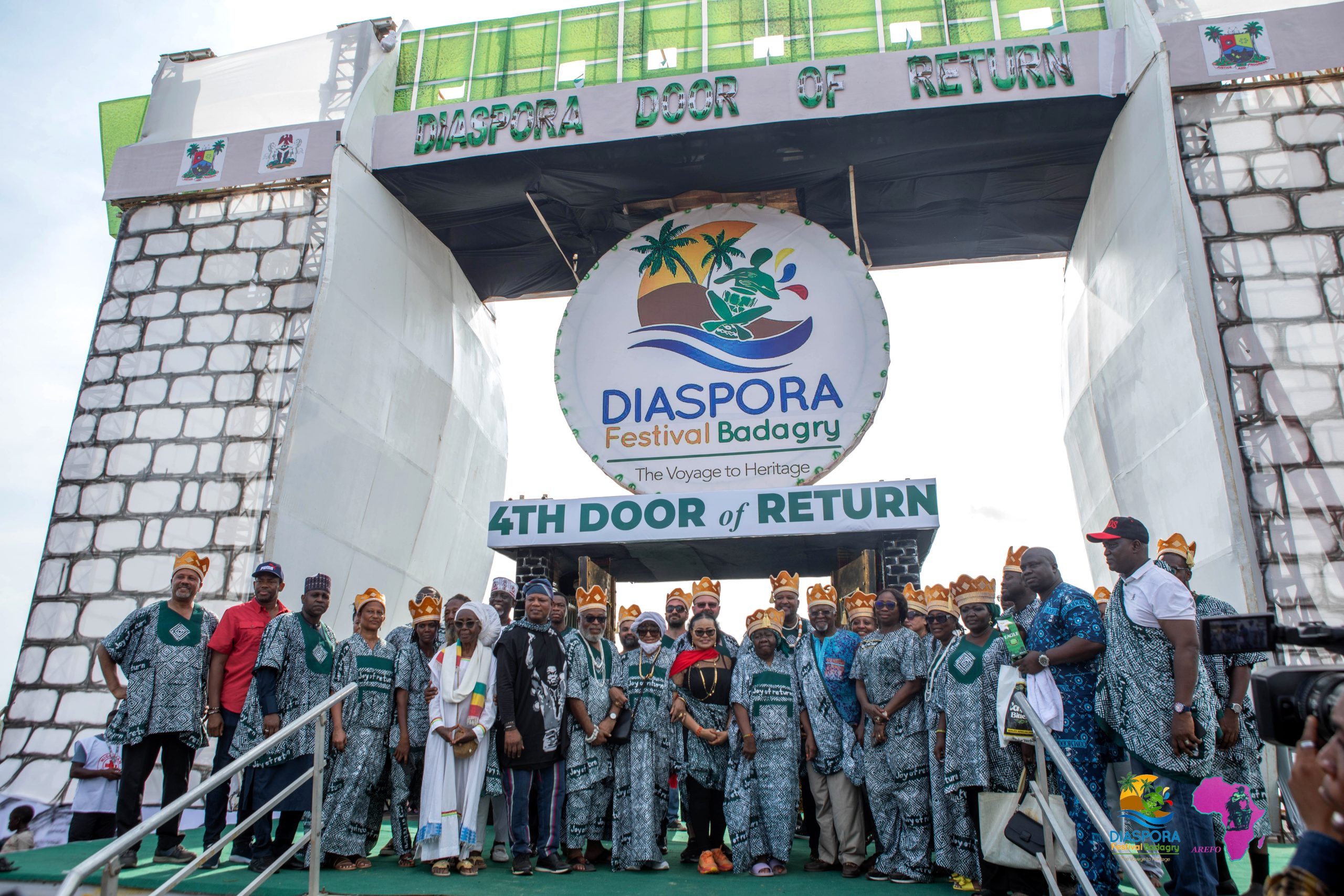
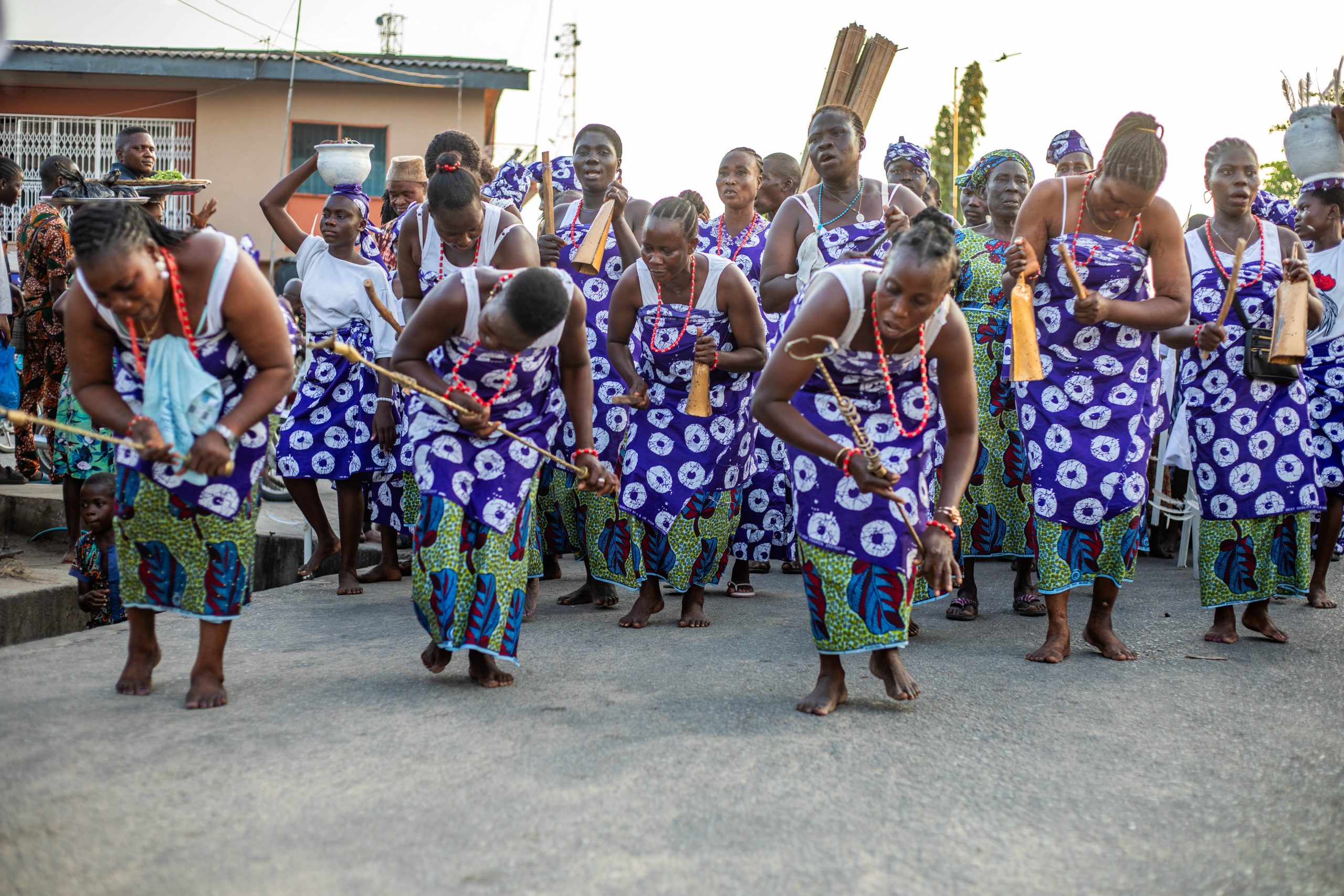
 The ancient coastal town of Badagry in Lagos State once again opened its arms to descendants of enslaved Africans across the globe from October 16 to 18, 2025 in a memorable celebration that transforms a site of historical trauma into a beacon of reconnection and healing.
The Badagry Diaspora Festival continues to forge emotional and cultural bridges between Africa and its global diaspora, offering what organisers call a “Door of Return” for those whose ancestors were forcibly carted away across the Atlantic from the infamous “Point of No Return.”
Among the distinguished guests this year was Nobel Laureate Professor Wole Soyinka, who joined visitors from Guadeloupe, Cuba, Brazil, the United States, and other overseas nations for three days of cultural immersion, historical reflection, and forward-looking dialogue.
The event was jointly organised by the three Badagry local councils in collaboration with the Africa Renaissance Foundation (AREFO), and the African Door of Return Experience (ADORE), with support from the Nigerians in Diaspora Commission (NIDCOM), chaired by Mrs. Abike Dabiri-Erewa.
“This reenactment has over the years become a beacon of hope, pride and reconnection for Africans in the diaspora, showcasing Badagry as a central hub of Pan-African consciousness,” explained Babatunde Hunpe, the Chairman of Badagry Local Government.
The decision by local authorities to take ownership of the festival signals a growing recognition of heritage tourism’s potential to reshape Badagry’s identity and economic future.
For the diaspora participants, the festival represents a profoundly personal pilgrimage. The emotional centerpiece remains the walk along the Original Slave Route through Gberefu village, a three-kilometer journey that retraces the final steps of the enslaved before they were shipped across the Atlantic.
The innumerable gritty sands and wild plants along this path remain today as sullen witnesses to the long episode of systematic dehumanisation and forced displacement having been drenched by the hot tears of countless enslaved Africans.
Every year, the festival transforms the coastal town’s landscape of loss into one of reclamation.
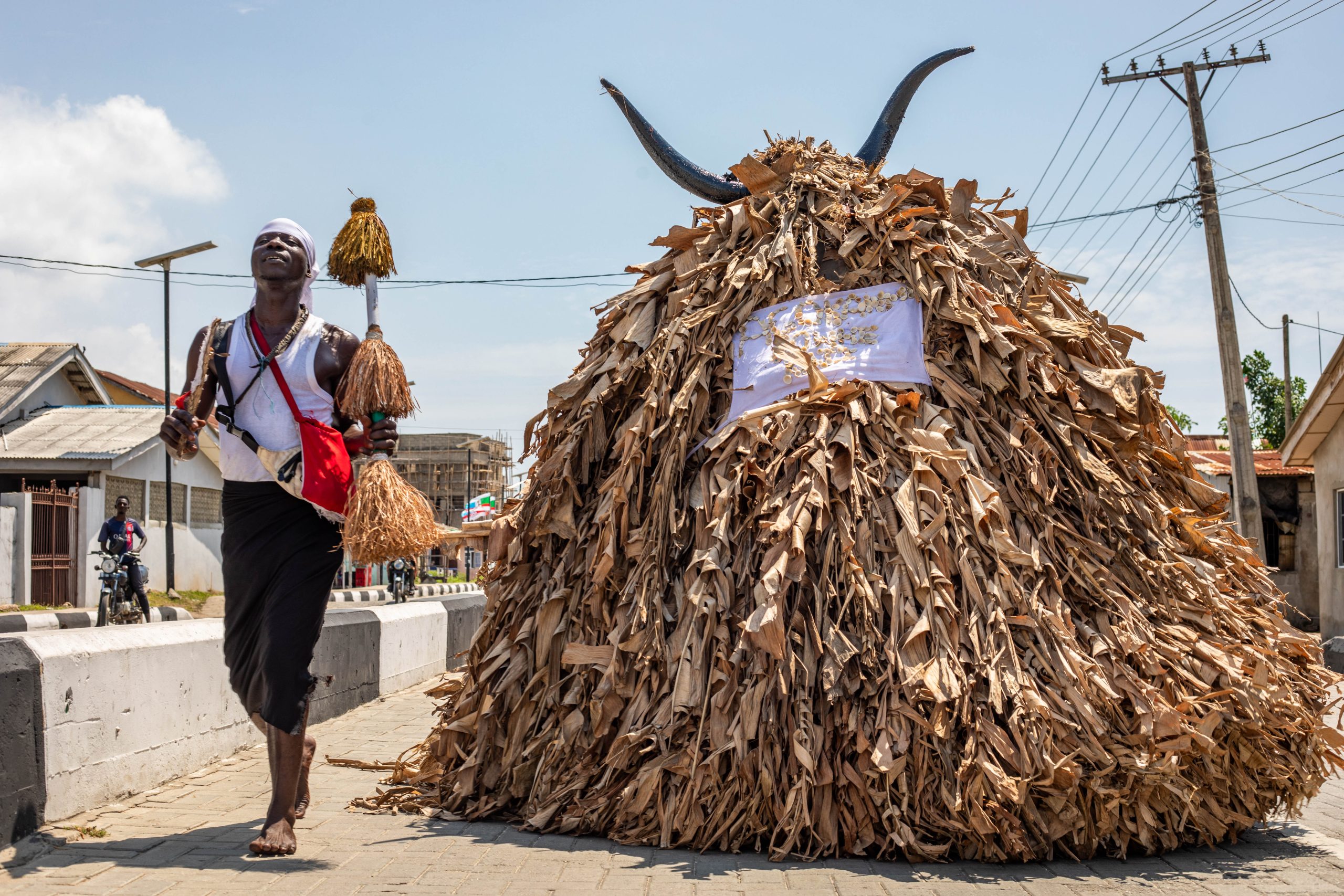
Through symbolic reenactments, rites and rituals, cultural performances featuring traditional drummers, dancers and masquerades (including the Zangbetọ, Vothun Ṣina, and Egúngún), boat regattas, as well as panel discussions, symposia and keynotes, the event creates space for what organisers describe as “the creative power of history.”
While this year’s edition of the festival honours the legacy of the late Guadaloupean panafricanist Mère Jah, previous editions have been dedicated to the memories of liberation heroes like Marcus Garvey, Toussaint L’Ouverture, and Olaudah Equiano.
Bonu Solomon, the state lawmaker representing Badagry Constituency 1 and Chairman of the House Committee on Tourism and Culture, emphasised the festival’s broader significance. He underscored the place of Badagry in heritage, cultural and diaspora tourism across the globe.
What distinguishes the Badagry festival from mere commemoration is its forward-looking vision. The event has become a platform for exploring contemporary diaspora relationships with Africa, addressing not just historical trauma but present-day migration, investment opportunities, and cultural exchange.
The festival occurs against the backdrop of Nigeria’s contemporary migration patterns, where economic pressures drive a new wave of emigration known coloquially as “Japa.”
This modern exodus adds layers of complexity to conversations about belonging, return, and what it means to call Africa home. The Badagry festival offers an alternative narrative—one where return is not just possible but celebrated.
As the descendants of the enslaved Africans walk back through the Door of Return, they carry titles bestowed by the Akran of Badagry, the paramount traditional ruler of the land.
These diasporic Africans are ushered in not as slaves returning to bondage, but as princes and princesses reclaiming their roots and heritage, armed with the knowledge, resources, and determination to write new chapters in the Africa–diaspora relationship.
The festival’s growing popularity and endurance since its inception well over a decade ago attest to its cultural importance. As Badagry continues to develop its tourism infrastructure, this annual gathering stands as proof that the past, however painful, need not define the future—it can instead illuminate the path toward reconciliation, understanding, and collective prosperity across the African diaspora.
Dr. Ṣeun Sedẹ Williams, an assistant professor in history, writes in from Dublin, Ireland.
Photo by Gabriel Whenayon Louis, a Badagry-based documentarian.