Diplomatic experts and foreign policy stakeholders have expressed concern over Nigeria’s prolonged delay in appointing ambassadors, warning that the vacuum in key foreign missions is undermining the country’s global representation and credibility.
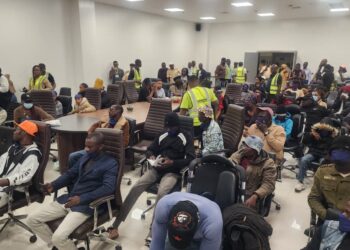
This was at Roundtable on Nigeria at 65, themed, “Setting a New Direction for Nigeria’s Foreign Policy under President Bola Tinubu at the Nigerian Institute of International Affairs (NIIA), in Lagos.
Director, Ministry of Foreign Affairs, Ambassador Janet Olisa, stressed that despite the absence of substantive ambassadors, experienced diplomats are managing the affairs of Nigeria’s missions abroad.
“But I can assure you that in all our missions, we have top diplomats. For instance, in New York, we have a former Deputy Prime Minister acting in that capacity, so there is no vacuum until when Mr. President makes appointments.”
She added that several senior diplomats and former ambassadors were temporarily redeployed to manage critical postings in strategic missions, ensuring continuity in Nigeria’s foreign engagements.
Olisa noted that while ambassadorial appointments are ultimately a presidential prerogative, the Foreign Affairs Ministry has taken steps to ensure that the absence of ambassadors does not paralyse operations.
However, foreign affairs analyst and academic, Professor Akin Oyebode, described the situation as a policy failure, attributing the non-appointment of ambassadors to the current administration’s leadership style.
He lamented that Nigeria has gone over two years without ambassadors in key countries such as the United States, Britain, France, and several others, calling it “the worst diplomatic lapse in the nation’s history.”
Other speakers at the event noted that the lack of substantive envoys has weakened Nigeria’s ability to engage effectively in international affairs and advance its strategic interests. They urged the government to act swiftly to restore full diplomatic representation across global missions.
Participants at the colloquium called for reforms in Nigeria’s foreign policy structure, emphasising the need for stronger coordination between domestic policy and foreign engagements.