Nigeria has called for a decisive shift in Africa-Russia relations from political declarations to economic delivery and measurable results.
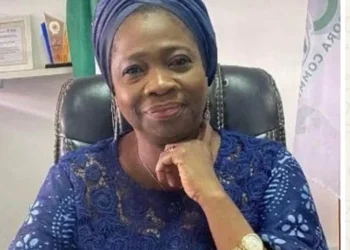
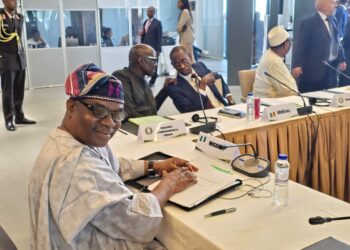
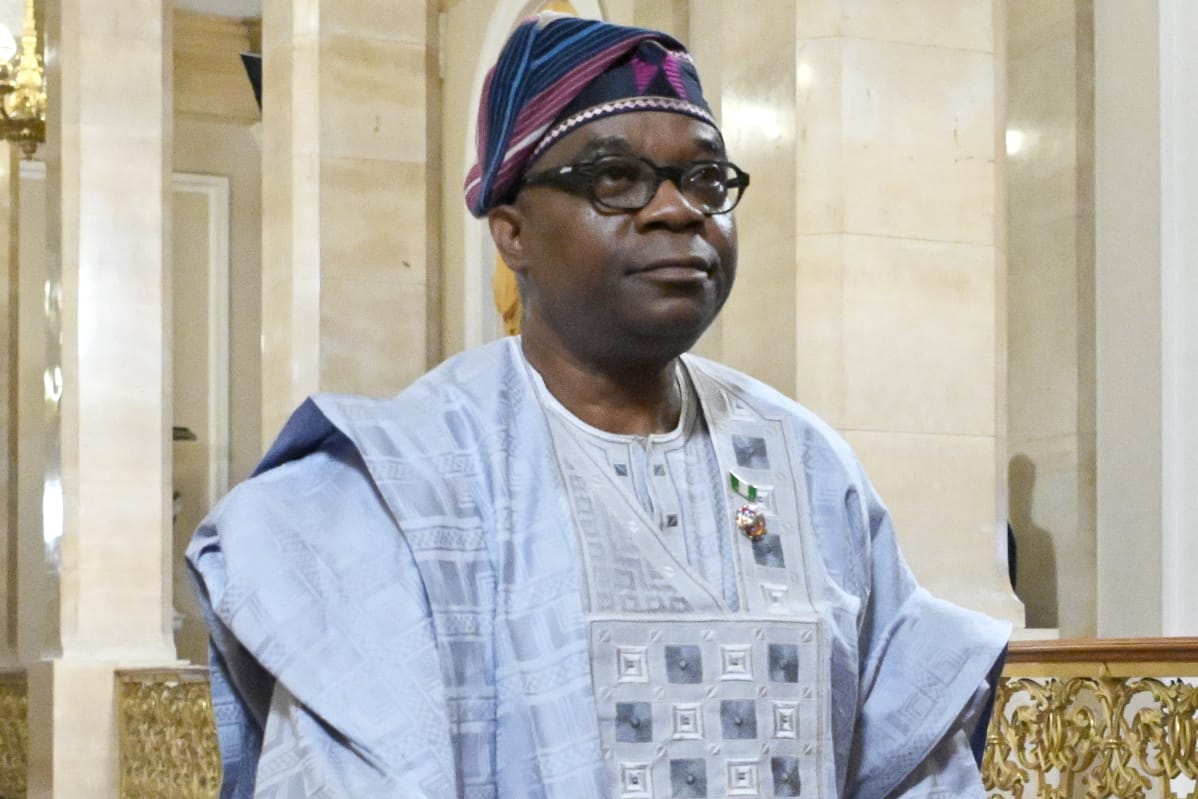
Delivering Nigeria’s National Statement at the Third Russia-Africa Summit at the Grand Kremlin Palace, Leader of the Nigerian Delegation and Honourable Minister of State for Foreign Affairs, H.E. Amb. Sola Enikanolaiye, conveyed President Bola Ahmed Tinubu’s greetings to Russian President Vladimir Putin and AU Chairman, President Evariste Ndayishimiye of Burundi.
Amb. Enikanolaiye said practical barriers to trade must be removed through sustainable banking channels, payment arrangements and financial infrastructure that enhance ease of doing business with Africa. He stressed that the private sector must be at the centre of the partnership.
On peace and security, the Minister reaffirmed Nigeria’s policy of strategic autonomy, noting that terrorism, violent extremism, transnational organised crime, arms trafficking, piracy, cybercrime and instability in the Sahel and Gulf of Guinea require partnerships anchored on African ownership and African-led solutions. He said external partnerships should strengthen AU, ECOWAS and other regional mechanisms.
On infrastructure, he urged Russia to invest in commercially viable projects in transport, railways, ports, energy, telecoms and logistics that strengthen regional connectivity and support the AfCFTA.
On digital economy, he warned that Africa must not enter the digital age merely as a consumer, and proposed cooperation in cybersecurity, AI, software development and joint research with emphasis on technology transfer.
On agriculture and food security, the Minister said recent global disruptions exposed vulnerability of food systems, calling for partnerships that strengthen domestic production, storage, processing, fertiliser, irrigation and mechanisation.
Enikanolaiye reaffirmed Nigeria’s commitment to sovereign equality, territorial integrity, non-interference and peaceful settlement of disputes, and reiterated Nigeria’s call for UN Security Council reform.
He said success of the Summit should be judged by implementation, supporting a focused Africa-Russia Action Plan for 2027–2029 with clear priorities, financing and monitoring.
Inviting Russian investors, he described Nigeria as Africa’s largest market and gateway to West Africa and AfCFTA, with opportunities in energy including renewables and nuclear technology, solid minerals, agriculture, manufacturing, pharmaceuticals, defence and digital services.
He added that Nigeria opposes unilateral sanctions, supports a fair multipolar world order, and hopes to deepen independent local currency settlement mechanisms with Russia.
President Putin, at the plenary, described Russia and Africa as natural allies in building a just multipolar order, reaffirming commitment to sovereign equality and security support for internal stability.
AU Chairman Ndayishimiye stressed Africa will not replace one form of subordination with another, saying the 2027–2029 Action Plan will close infrastructure gaps through technology transfer.